


How the Air Recirculation Button Can Improve Comfort, Safety, and Efficiency While You Drive
Most drivers recognize the symbol instantly, even if they have never given it much thought.
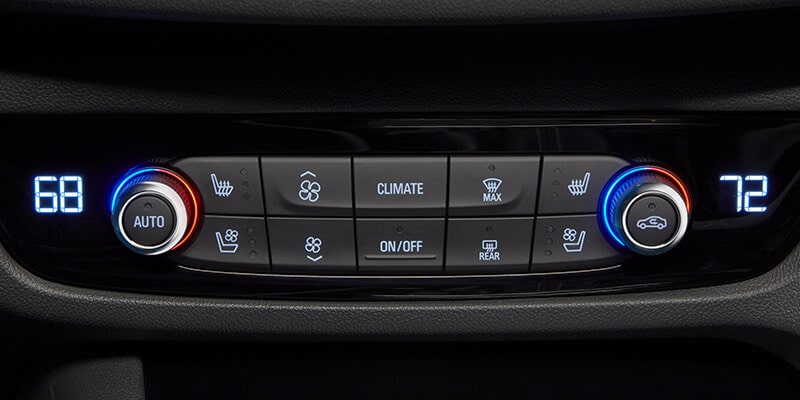
A small dashboard button showing a car with a circular arrow inside.
You may tap it on hot days. You may leave it untouched. Or you may wonder what it actually does and whether it makes any real difference.
That single button has a bigger impact than many people realize. Used correctly, it can improve cabin comfort, reduce strain on your vehicle’s systems, and help you stay more alert behind the wheel. Used incorrectly, it can create foggy windows, stale air, and discomfort.
For drivers over 60 in particular, understanding how and when to use this feature can make everyday driving noticeably easier and safer.


4
What the Air Recirculation Button Actually Does
When air recirculation is turned off, your vehicle draws air from outside.
That air passes through the cabin air filter, is heated or cooled by the climate system, and then flows into the cabin through the vents.
When the air recirculation button is turned on, an internal flap closes. This blocks outside air from entering. Instead, the system reuses the air already inside the vehicle, filtering it again and adjusting its temperature repeatedly.
In simple terms, the system switches from fresh outside air to a closed loop that keeps circulating interior air.
This change may seem minor, but it affects temperature control, air quality, and how hard the climate system has to work.
Why Recirculation Is So Effective in Hot Weather
One of the biggest benefits of air recirculation is faster cooling on warm or hot days.
When a car sits in the sun, the interior air becomes extremely hot. If the system keeps pulling in hot outside air, the air conditioner has to work harder to cool everything down.
With recirculation turned on, the system cools air that is already getting cooler with each pass. This creates a faster and more consistent drop in temperature.
The result is:
- Quicker cabin cooling
- Less strain on the air conditioning system
- More stable, even airflow
For older drivers and passengers who are more sensitive to heat, this can make short trips and longer drives far more comfortable.
Helpful in Traffic, Tunnels, and Polluted Areas
Air recirculation is also useful when the air outside is unpleasant or irritating.
Common situations include:
- Heavy traffic behind trucks or buses
- Driving through tunnels
- Construction zones with dust or fumes
- Areas with smoke or strong odors
In these cases, pulling in outside air can introduce exhaust smells, pollutants, or airborne particles into the cabin. Switching to recirculation limits what enters the vehicle.
This can be especially beneficial for people with allergies, asthma, or respiratory sensitivities.
Why You Should Not Leave Recirculation On All the Time
Despite its advantages, air recirculation is not designed for continuous use.
When air stays trapped inside the cabin for too long, humidity builds up. This is more noticeable in rainy, cool, or cold conditions.
Moisture from breathing, damp clothing, and temperature differences has nowhere to escape without fresh air entering.
This can lead to:
- Foggy windows
- Reduced visibility
- A stale or stuffy cabin
Clear visibility is essential, particularly for older drivers who may already deal with glare sensitivity or reduced night vision.
Switching back to fresh air helps remove moisture and keeps windows clear.
Fresh Air Helps Maintain Alertness on Longer Drives
Another reason to avoid constant recirculation is driver alertness.
On longer trips, allowing fresh air into the cabin helps maintain oxygen levels and reduces feelings of drowsiness. Fresh air can improve focus and mental clarity.
If you have ever felt unusually tired during a long drive with recirculation on, this may be a contributing factor.
A practical approach is to alternate. Use recirculation when cooling the cabin or passing through polluted areas, then switch back to fresh air once conditions improve.
Cold Weather and Defrosting Considerations
In cold weather, air recirculation can work against you.
Defrost systems rely on dry air to remove moisture from the windshield. When recirculation is on, humid air stays trapped, making fogging worse.
That is why many vehicles automatically turn off recirculation when the defrost setting is selected.
If your windshield fogs up, switching to fresh air usually clears it faster.
The Role of the Cabin Air Filter
Whether using fresh air or recirculation, all incoming air passes through the cabin air filter.
Over time, this filter collects dust, pollen, and debris. When it becomes clogged, airflow decreases and heating or cooling becomes less effective.
Most manufacturers recommend replacing the cabin air filter every 12,000 to 15,000 miles, though this can vary depending on where and how you drive.
For comfort, air quality, and system efficiency, keeping this filter clean is one of the simplest maintenance tasks you can do.
Practical Tips for Everyday Driving
To use the air recirculation button effectively, keep these guidelines in mind:
- Use recirculation to cool the cabin quickly on hot days
- Turn it on temporarily in traffic, tunnels, or dusty areas
- Switch it off during rain, cold weather, or window fogging
- Allow fresh air during long drives to stay alert
- Replace the cabin air filter at recommended intervals
You do not need to think about it constantly. A basic understanding of when it helps and when it does not is enough.
A Small Button That Makes a Real Difference
The air recirculation button is easy to overlook because it works quietly in the background.
Used thoughtfully, it can improve comfort, protect visibility, and make driving feel less tiring.
For drivers who value calm, controlled, and stress-free trips, especially later in life, small details like this matter more than ever.
Sometimes, a better drive really is just one button away.


