
My Stepfather Needed a Kidney, His Son Refused, So I Came Back After 10 Years to Save Him
I had not spoken to my stepfather in nearly ten years when the call came.
It was an ordinary Tuesday evening, the kind where daylight fades too early and the day feels unfinished. An unfamiliar hospital number lit up my phone. I nearly ignored it. Then a tired voice asked if I was related to Richard Hale. There had been an accident. His kidneys were failing. He needed a transplant, urgently.
After the call ended, I sat on the edge of my bed staring at my hands, barely recognizing them as my own. Richard. The man who married my mother when I was nine. The man I once called Dad, before life quietly pulled us apart.
Our relationship did not end with one dramatic argument. It faded slowly. After my mother passed away, grief hardened him and made him distant. I became defensive and hurt. We stopped saying what mattered. By the time I moved out at twenty-two, we were strangers connected by memories we could no longer touch.
4
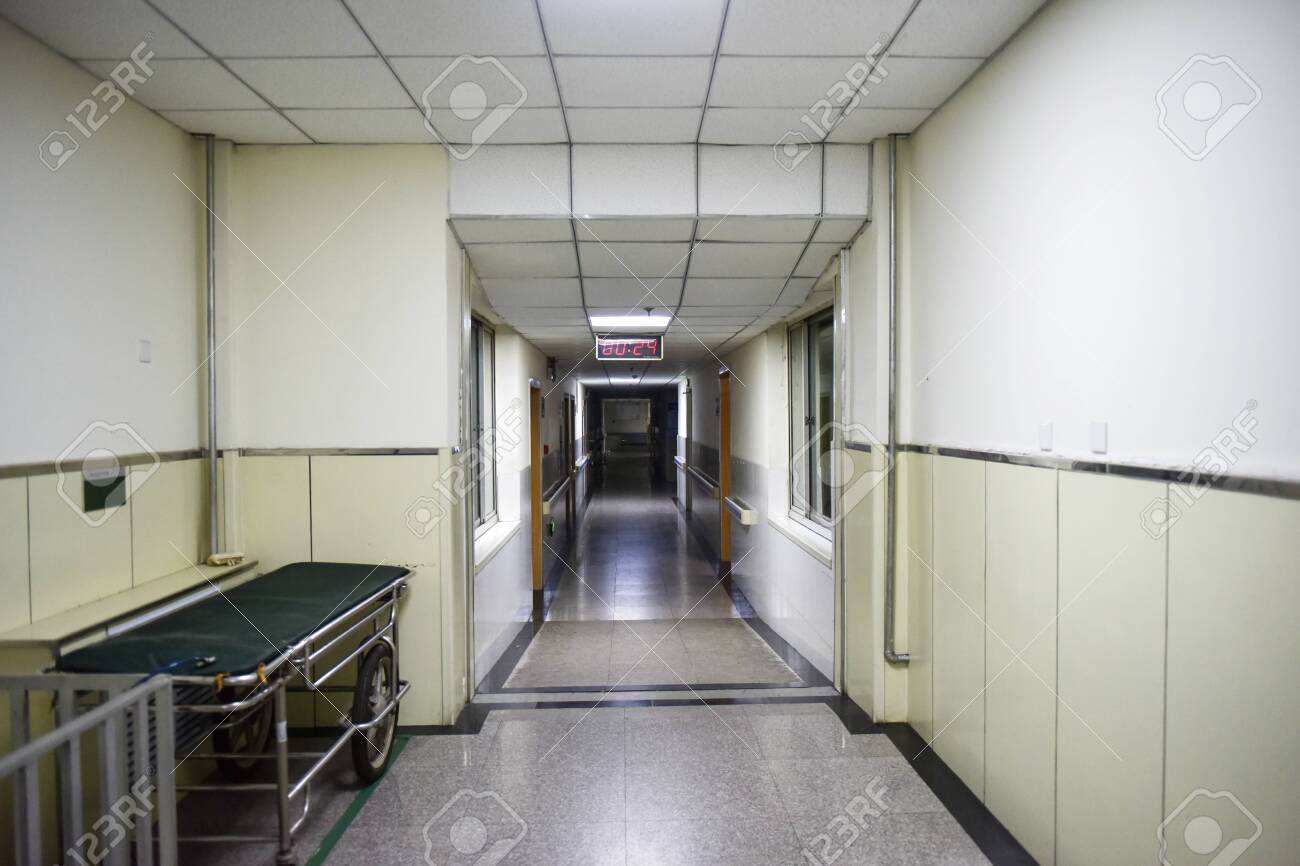
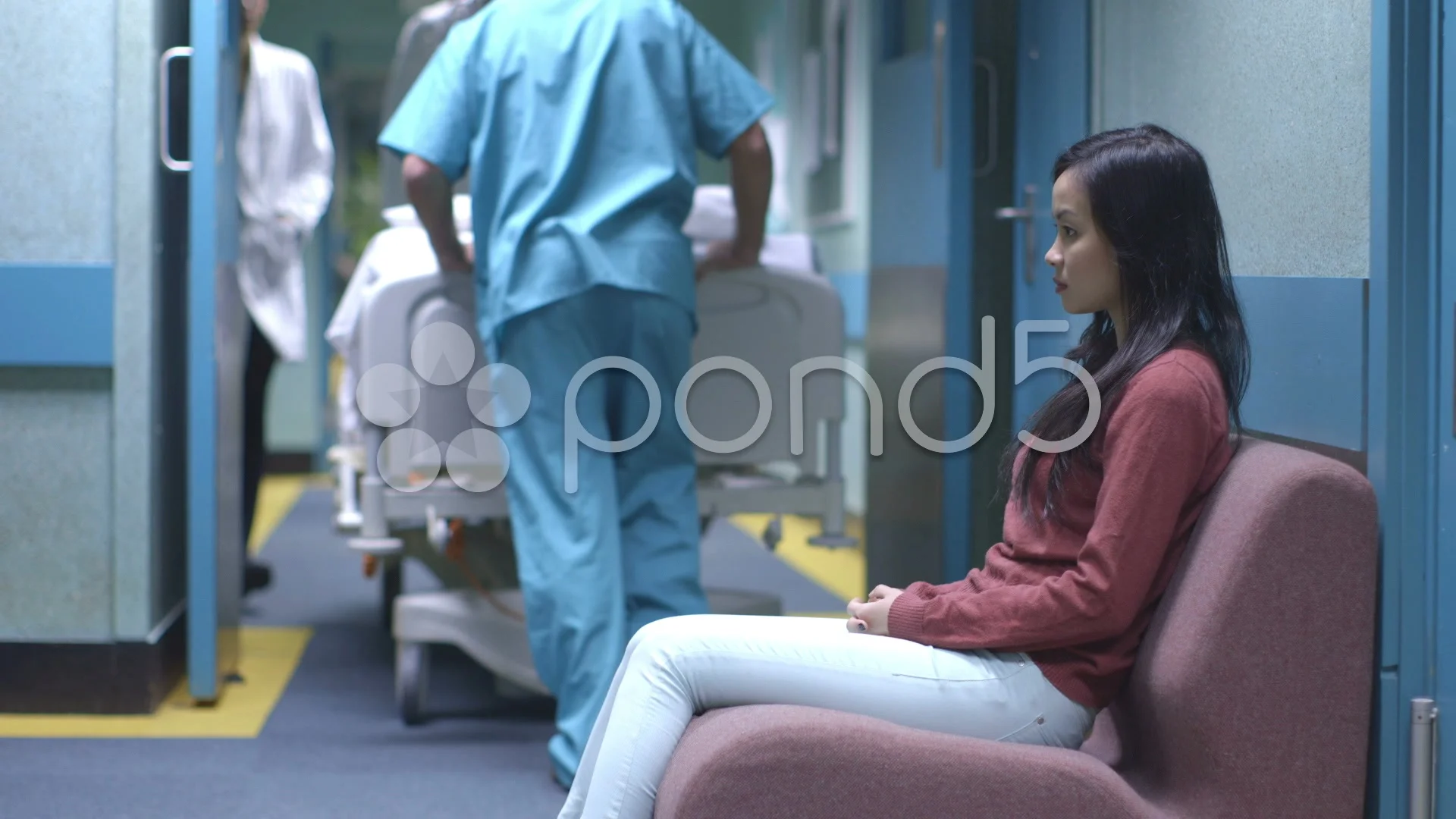
At the hospital, everything smelled of disinfectant and fear. Machines hummed steadily. Doctors spoke calmly, though the urgency was clear. Without a transplant, Richard did not have much time. The donor list was long. Time was not on his side.
His biological son, Mark, stood nearby with his arms crossed. When the doctor asked if any family members were willing to be tested, Mark shook his head.
“He’s already seventy-one,” he said. “I can’t risk my future.”
The words landed heavier than I expected.
I followed him into the hallway, my heart racing. I asked if he was really willing to let his father die. He snapped back that I had no children, no career to protect. Something in me broke open.
“Neither did he when he raised you alone,” I said.
Mark walked away.
That night, sleep never came. Memories surfaced one by one. Richard running behind me as I learned to ride a bike. Sitting in the front row at my school plays when my mother worked late. He had never been warm or expressive, but he had always been present.
By morning, my decision felt unavoidable.
The tests came back quickly. I was a match.
The doctor looked surprised when I agreed to donate. Mark looked relieved. He did not say thank you.
Two days later, they wheeled me into surgery. Only then did fear fully arrive. I was not brave. I was terrified. But beneath the fear was something stronger. A sense that this was unfinished. That love, even buried under years of silence, does not simply disappear.
When I woke up, pain radiated through my side. A nurse told me the surgery had gone well. Richard was stable.
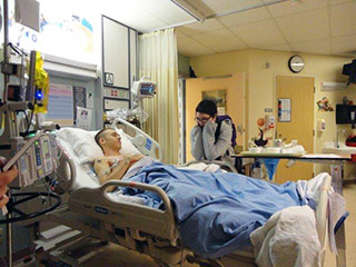
When I finally saw him, he looked smaller. Older. Fragile in a way that made my chest ache. Machines surrounded him, but his breathing was steady. His eyes opened slowly.
He did not ask for his son.
He did not ask what had happened.
He looked at me and smiled.
“I’ve missed you, my little girl,” he said softly. “How have you been?”
Everything I had held inside collapsed. I cried without restraint, shaking as years of silence broke apart.
“I thought you hated me,” I whispered.
“Never,” he said. “I just did not know how to fix what I broke.”
I took his hand. It was warm. Alive.
“I’m here,” I said.
“You always were,” he replied.
In that hospital room, with one kidney gone and a heart painfully full, I understood something I had avoided for years. Forgiveness does not come when someone earns it. It comes when you choose it.
And sometimes, love survives even the longest silence, waiting quietly for the moment you are brave enough to come back.