At first glance, opossums might look like unwelcome visitors. With their beady eyes, sharp teeth, and habit of rummaging through garbage cans, they are often mistaken for pests. Some people even recoil at the sight of one hissing under a deck or creeping across the yard at night.
But here’s the truth: opossums are not pests at all—they’re nature’s hardworking janitors. These quirky, nocturnal creatures provide free pest control, disease prevention, and cleanup services, making them far more valuable than most people realize. Once you understand their role in the ecosystem, you may find yourself welcoming them instead of shooing them away.
Opossums and the Rabies Myth
One of the biggest misconceptions about opossums is that they are dangerous carriers of rabies. The assumption seems logical—they’re wild, they hiss, and they have sharp teeth. But science tells a different story.
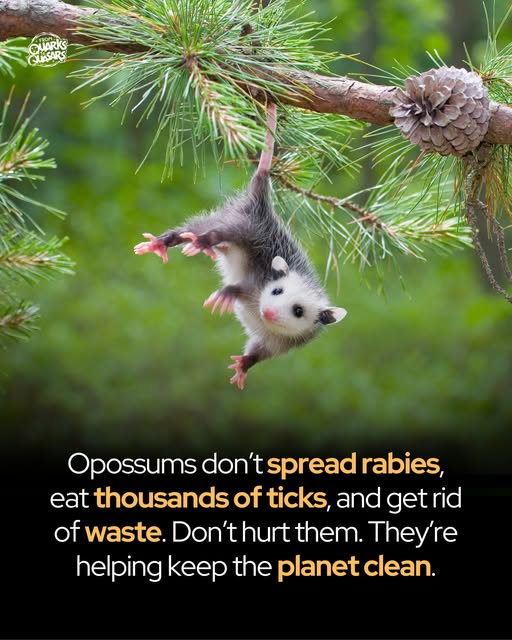
In fact, opossums are among the least likely wild animals to carry rabies. Why? Their body temperature is lower than most mammals, making it difficult for the rabies virus to survive inside them. While rare cases exist, the chances of contracting rabies from an opossum are extremely low compared to raccoons, skunks, or bats.
This single fact should change the way people view opossums. They may look intimidating, but they pose less risk to humans than many other common backyard animals.
Nature’s Tick Exterminators
If there’s one reason to appreciate opossums, it’s their incredible ability to destroy ticks. These animals are obsessive groomers, constantly licking and cleaning their fur. In the process, they swallow thousands of ticks that attach to them.
Researchers estimate that a single opossum can eat over 5,000 ticks in just one season. And that number might actually be conservative. Considering that ticks are major carriers of Lyme disease and other dangerous illnesses, opossums are unsung heroes in the battle against these parasites.
Without them, tick populations would likely be much higher, increasing health risks for both people and pets. So the next time you’re relieved to avoid a tick bite, you might have a local opossum to thank.
Cleanup Crew of the Night
Opossums aren’t picky eaters, and that’s another reason they’re so important. They’re scavengers that consume things most animals won’t touch, including:
- Rotting fruit that falls from trees
- Roadkill and other dead animals
- Garbage scraps
- Insects, snails, and small rodents
By eating decomposing organic matter, opossums help prevent the spread of disease and reduce food sources that could otherwise attract larger, more destructive pests. Think of them as a natural cleaning service, removing waste that could become a breeding ground for harmful bacteria.
The “Scary” Behavior Explained
When startled, opossums often put on an aggressive display. They hiss, show their teeth, and sometimes emit a low growl. To many people, this looks like the prelude to an attack. But in reality, it’s just a bluff.
Opossums are not naturally aggressive toward humans. They would rather avoid conflict altogether. In fact, when truly threatened, they resort to a dramatic defense mechanism: playing dead.
During this act, the opossum collapses, goes limp, drools, and emits a foul odor from its glands. This convincing display can last for minutes or even hours, discouraging predators who prefer live prey. Far from being a dangerous threat, the opossum is actually one of the most non-confrontational animals you’ll encounter.
Why Opossums Matter in the Ecosystem
Beyond the backyard, opossums play a critical role in ecosystems. By controlling insect populations, cleaning up carrion, and reducing tick-borne disease risks, they maintain a balance that benefits both wildlife and humans. Their scavenging helps recycle nutrients back into the soil, supporting healthier plant life and preventing the spread of harmful organisms.
Unlike invasive species that disrupt local environments, opossums are native to the Americas and have coexisted with other wildlife for millions of years. They fill an ecological niche that no other animal quite matches.
Common Misunderstandings
Despite their benefits, opossums remain widely misunderstood. Here are a few clarifications:
- They are not rodents. Opossums are marsupials, more closely related to kangaroos and koalas than rats.
- They rarely attack pets. Most of the time, they avoid cats and dogs, only hissing when cornered.
- They are clean animals. Constant grooming keeps them relatively free of fleas and parasites.
- They are adaptable. From rural forests to suburban backyards, opossums can survive in diverse environments, making them one of nature’s quiet survivors.
Living Alongside Opossums
If you find an opossum in your yard, there’s no reason to panic. They are not there to cause harm—they’re simply passing through or cleaning up. To coexist peacefully:
- Avoid leaving pet food outside overnight.
- Secure trash bins to prevent rummaging.
- Provide hiding spots in brush piles or woodpiles if you don’t mind their presence.
Most importantly, do not harm them. Opossums provide free pest control and cleanup services, saving you trouble in the long run.
The Quirky Custodians of the Night
They may not have the cuddly appeal of kittens or the majestic allure of deer, but opossums have a charm all their own. Their oversized eyes, prehensile tails, and unique marsupial biology make them fascinating creatures once you take the time to understand them.
As one wildlife advocate once said: “If opossums were rare and lived only in one country, people would travel across the world just to see them. But because they live in our backyards, we take them for granted.”
Final Thoughts
Opossums are far from the pests people believe them to be. They’re quiet, misunderstood workers of the night—protecting us from ticks, cleaning up waste, and preventing disease without asking for anything in return.
The next time you spot one under your porch or in your garden, remember: they aren’t intruders. They are guardians of the ecosystem, quirky custodians who make our environment healthier and safer.
So let’s give opossums the respect they deserve. They may not win beauty contests, but in the silent hours of the night, they’re doing work that benefits us all.