


Preventing Sleep Stroke at Any Age: 5 “Don’ts” Before Bed and 6 “Do’s” to Protect Your Heart and Brain
Many people imagine a stroke as a sudden daytime emergency, something dramatic and immediately obvious. What is less widely known is that strokes can also occur during sleep. These are often called wake-up strokes, and they can be especially dangerous because symptoms are discovered hours later, delaying treatment when time is critical.
Your evening routine plays a much bigger role than most people realize. The habits you follow in the hours before bed can either support your heart and brain or quietly increase strain on both. Small, consistent choices can significantly reduce the risk of a stroke occurring overnight.
This guide explains what sleep strokes are, how to recognize warning signs, and which nighttime habits to avoid and adopt to better protect your long-term health.

What Is a Sleep Stroke
A stroke happens when blood flow to the brain is disrupted. This can occur because a blood vessel is blocked by a clot, known as an ischemic stroke, or because a vessel ruptures or leaks, known as a hemorrhagic stroke.
When a stroke occurs during sleep, it is often discovered only after waking. Because the exact time of onset is unknown, treatment options may be limited. This makes prevention, especially at night, extremely important.
Signs You May Have Had a Stroke During Sleep
If you wake up feeling suddenly unwell or notice unusual symptoms, it is important to act quickly. Possible warning signs include:
- Weakness or numbness on one side of the face, arm, or leg
- Slurred speech or difficulty forming words
- Trouble understanding others
- Sudden confusion or disorientation
- Blurred, darkened, or double vision
- Difficulty walking or maintaining balance
- A severe headache with no clear cause
- Dizziness, nausea, or vomiting
- Seizures or loss of consciousness
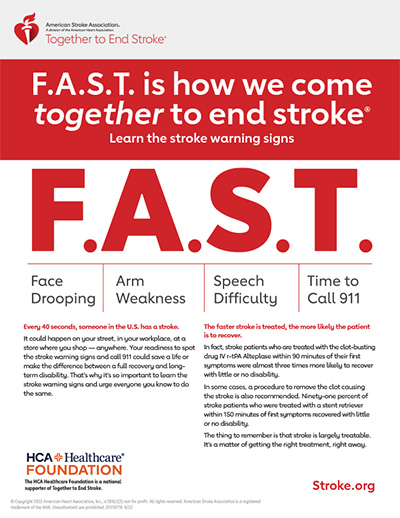
Doctors often recommend remembering the FAST test:
- Face drooping
- Arm weakness
- Speech difficulty
- Time to call emergency services immediately
Even mild symptoms should never be ignored. Early intervention can save lives and reduce long-term damage.
Why Evening Habits Matter
During healthy sleep, the body naturally slows down. Blood pressure drops, the nervous system relaxes, and the cardiovascular system recovers. Poor evening habits can interfere with this process.
Late heavy meals, alcohol, stress, and poor sleep routines keep the body in a heightened state when it should be resting. Over time, this increases the risk of nighttime cardiovascular events, including sleep strokes.
Five Things Not to Do Before Bed
1. Do Not Eat Heavy or Salty Meals Late
Large or salty dinners close to bedtime can raise blood pressure and strain the heart. Sodium causes fluid retention, forcing the cardiovascular system to work harder. Heavy meals also disrupt sleep quality.
Try to finish eating at least two to three hours before bedtime.
2. Do Not Overuse Alcohol or Smoke at Night
Alcohol can cause nighttime blood pressure spikes and disrupt sleep cycles. Smoking damages blood vessels and increases the risk of clot formation. Together, they significantly raise stroke risk.
Reducing or eliminating both, especially in the evening, provides immediate benefits.
3. Do Not Go to Bed Angry or Highly Stressed
Stress is not just emotional. It triggers hormonal responses that elevate heart rate and blood pressure. Arguments, worry, and late-night anxiety keep the body in a fight-or-flight state.
Finding ways to calm your mind before bed helps protect your cardiovascular system.
4. Do Not Use Screens Right Before Sleeping
Blue light from phones, tablets, and televisions suppresses melatonin, the hormone that regulates sleep. Poor sleep increases inflammation and interferes with blood pressure regulation.
Turn off screens at least one hour before bed whenever possible.
5. Do Not Ignore Warning Symptoms
Chest discomfort, unusual heart palpitations, or sudden headaches should never be dismissed. Nighttime symptoms can be early signs of serious issues.
If something feels wrong, seek medical help immediately.
Six Things to Do Before Bed to Protect Your Heart and Brain
1. Prioritize Consistent, Restorative Sleep
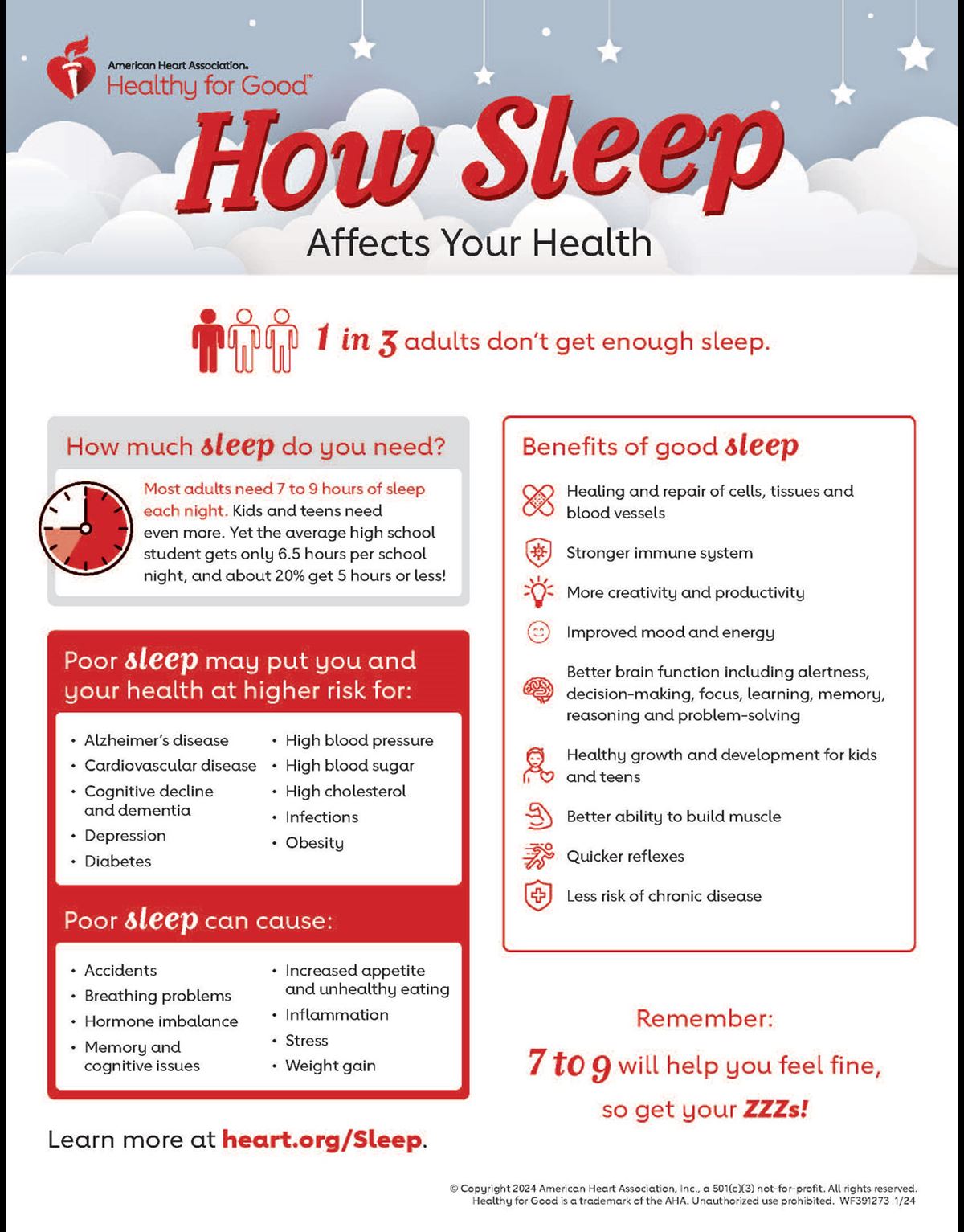
Regularly getting fewer than seven hours of sleep increases stroke risk. Aim for seven to nine hours each night and keep consistent bed and wake times, even on weekends.
Quality sleep supports healthy blood pressure, blood sugar, and inflammation levels.
2. Stay Hydrated Without Overdoing It
Dehydration thickens the blood and increases clot risk. A small glass of water in the evening is usually sufficient. Avoid drinking excessive fluids right before bed to prevent sleep disruption.
3. Take Prescribed Medications as Directed
Medications for blood pressure, heart rhythm issues, or cholesterol work best when taken consistently. Some blood pressure medications are more effective when taken at night, but always follow your doctor’s guidance.
4. Create a Relaxing Wind-Down Routine
Calming activities signal to your body that it is safe to rest. Gentle stretching, deep breathing, meditation, journaling, or reading can all help lower stress hormones.
Even ten minutes of intentional relaxation can make a difference.
5. Use Sleep Apnea Treatment If Needed
Untreated sleep apnea causes repeated drops in oxygen and sharp increases in blood pressure during the night. This dramatically raises stroke risk.
If you have been prescribed a CPAP machine, using it every night is one of the most effective protective steps you can take.
6. Take a Gentle Walk After Dinner
A short, relaxed walk of ten to twenty minutes helps regulate blood sugar and support healthy circulation. Avoid intense exercise close to bedtime, as it may interfere with sleep.
Building Safer Nights for Long-Term Health
Strokes may feel unpredictable, but many risk factors are influenced by daily habits. Your nighttime routine sets the tone for how well your heart and brain recover during sleep.
By avoiding harmful evening behaviors and embracing protective ones, you give your body the best chance to rest safely.
Your nights matter as much as your days. Small changes made consistently can protect your health for years to come.


