

The Simple Nighttime Habit That Can Help You Fall Asleep Faster
Many people reach the end of the day completely exhausted, yet find themselves staring at the ceiling once the lights go out. Stress, constant notifications, and mental overload keep the brain alert even when the body is ready to rest. While there is no shortage of sleep advice, one of the most effective habits is also one of the simplest.
A small change in how you end your evening can clearly signal to your body that it is time to slow down and prepare for sleep.


4
Why Your Brain Needs a Transition
Falling asleep is not just about physical tiredness. It requires a mental shift away from problem-solving, planning, and stimulation. The brain responds strongly to patterns, and when bedtime feels rushed or chaotic, it stays in alert mode.
A consistent nighttime ritual acts as a bridge between the demands of the day and the calm of sleep. Even a short, predictable routine can help the brain let go.
The Habit That Makes the Biggest Difference
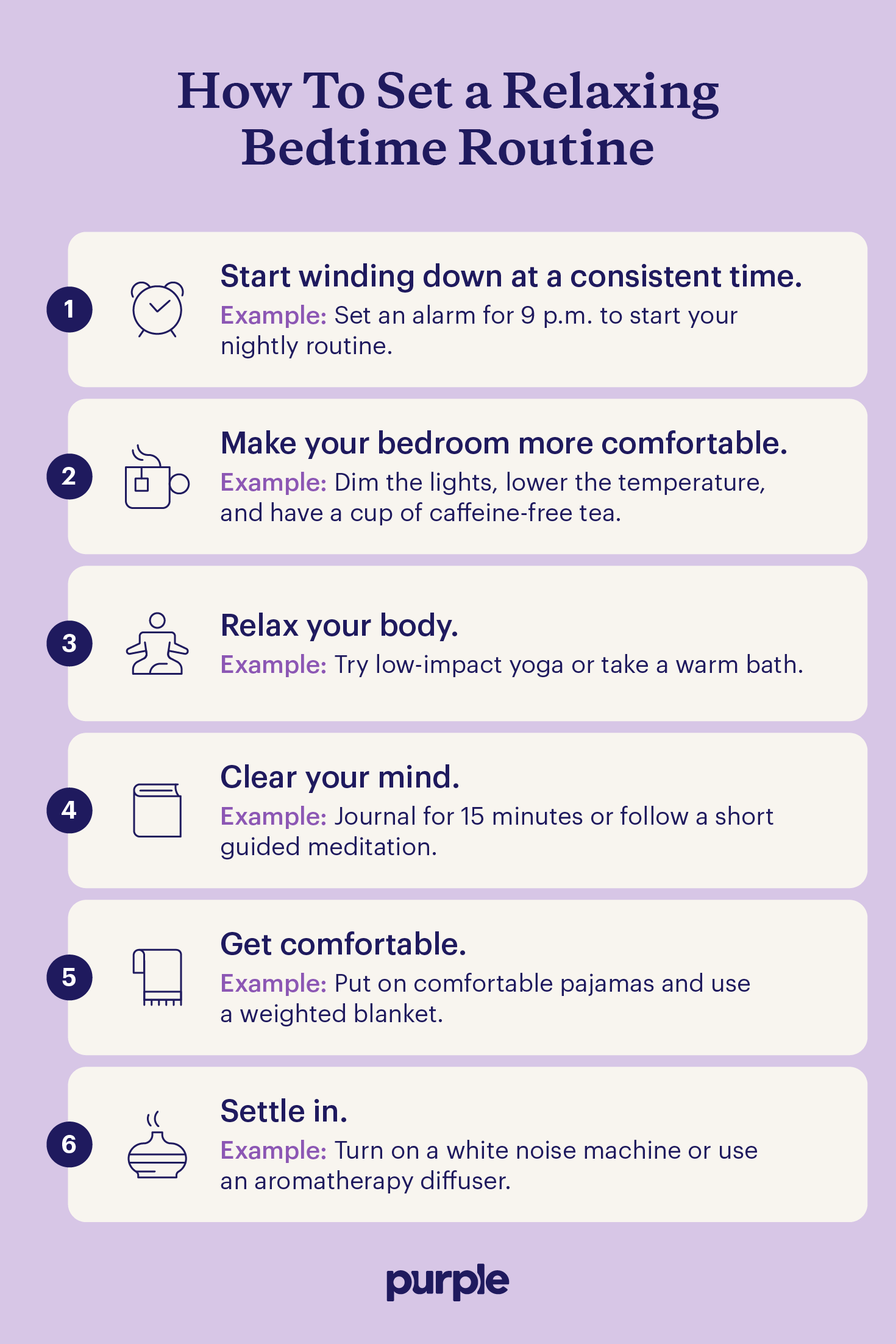
The most effective change is adding a 10 to 15 minute wind-down window before bed. This is a brief, screen-free period dedicated to slowing down rather than trying to fall asleep.
During this time, the goal is not sleep itself. The goal is signaling safety and calm to your nervous system. Dimming the lights, sitting quietly, stretching gently, or focusing on slow breathing is often enough to start this shift.
Why This Simple Step Works
The brain learns through repetition. When you repeat the same calming actions every night, your mind begins to associate them with rest. Over time, this creates a natural expectation of sleep that reduces the effort needed to fall asleep.
Jumping straight from bright screens or mental stimulation into bed interrupts this process. A quiet pause allows your nervous system to power down gradually instead of abruptly.
Creating the Right Environment
Your surroundings matter just as much as the habit itself. Soft lighting, reduced noise, and a comfortable room temperature all support relaxation.
Even lowering the lights signals to your body that night has begun. This encourages the release of sleep-related hormones and helps sleepiness arrive naturally rather than forcefully.
Simple Wind-Down Ideas
Your wind-down window does not need to look a certain way. Consistency matters more than the activity. A few easy options include:
- Gentle stretching or slow movement
- Listening to calm or ambient sounds
- Sitting quietly and focusing on steady breathing
- Reading a few pages of a non-stimulating book
- Tidying a small space to mentally close the day
Each of these helps reduce mental noise and prepare your body for rest.
Turning It Into a Lasting Habit
The real benefit comes from repetition. When you perform the same small ritual every night, your body begins to relax earlier and more easily. Many people notice they feel sleepy before the wind-down period even ends.
This habit does not rely on products, apps, or strict rules. It relies on intention and consistency.
What You May Start to Notice
People who adopt this routine often fall asleep faster, feel less anxious at night, and wake less frequently. When the mind and body slow down together, sleep feels more natural and less like a struggle.
A Softer Way to End the Day
A short wind-down window may seem insignificant, but it can completely change how bedtime feels. By giving yourself a few quiet minutes to pause and reset, you create a gentle transition from activity to rest.
Sometimes, the simplest habits are the ones that make sleep come easiest.