


What Is Farting …and When Is It Too Much

4
Farting, medically called flatulence, is the release of gas from the digestive system through the rectum. While it is often treated as a joke or an embarrassing topic, it is a completely normal bodily function. Every person passes gas, every day.
On average, most people fart between 14 and 25 times daily. This gas forms as a natural result of digestion and from air that enters the digestive tract. In most cases, farting is harmless and simply means your digestive system is working as it should.
Where Does the Gas Come From?
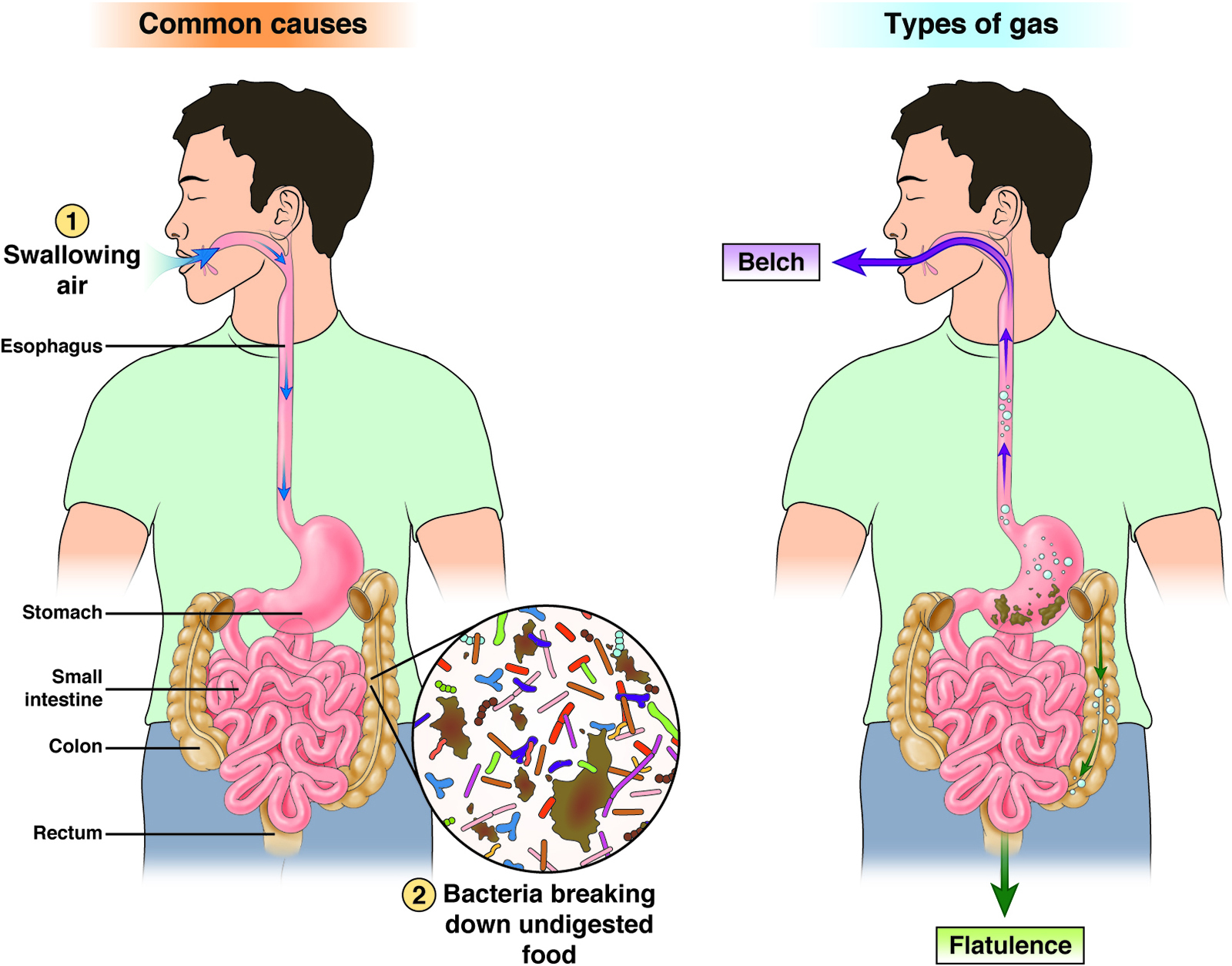
Gas in the digestive system comes from two main sources.
The first is swallowed air. This happens when you eat or drink, especially if you eat quickly, talk while chewing, drink through a straw, chew gum, or smoke. Some of this air escapes through burping, while the rest continues through the intestines.
The second source is digestion itself. When food reaches the large intestine, gut bacteria ferment certain nutrients. This fermentation produces gases such as carbon dioxide, hydrogen, methane, and small amounts of sulfur. These gases eventually leave the body as flatulence.
When Does Farting Become Excessive?
Farting becomes excessive when it happens more than about 25 times per day and is accompanied by discomfort. Excess gas alone is not always a problem, but it may be worth paying attention if it comes with symptoms like bloating, cramping, pain, or noticeable changes in bowel habits.
Occasional increases in gas are normal, especially after certain meals. Persistent or uncomfortable gas may suggest that something in your diet or digestion needs adjusting.
Common Reasons for Excess Gas
Diet
Diet is the most frequent cause of increased flatulence. Foods that are harder to digest or easily fermented tend to produce more gas, including:
- Beans and lentils
- Broccoli, cauliflower, cabbage, and onions
- Whole grains and high fiber foods
- Carbonated drinks
- Sugar alcohols found in sugar free gum and candy
- Dairy products for people with lactose intolerance
- Foods high in fructose or high fructose corn syrup
Swallowing Air
Eating too fast, chewing gum, smoking, or drinking fizzy beverages increases the amount of air that enters your digestive system, leading to more gas later.
Food Intolerances
Some people lack enzymes needed to digest certain foods properly. Common examples include lactose intolerance and sensitivity to gluten or FODMAP carbohydrates. These can cause gas, bloating, and discomfort.
Digestive Conditions
Conditions such as irritable bowel syndrome, small intestinal bacterial overgrowth, celiac disease, or enzyme deficiencies can increase gas production.
Medications
Antibiotics, laxatives, and some diabetes medications may disrupt gut bacteria or digestion, leading to excess gas.
When Should You See a Doctor?
Gas by itself is rarely a cause for concern. However, it is important to seek medical advice if farting is accompanied by:
- Persistent or severe abdominal pain
- Chronic bloating that does not improve
- Ongoing diarrhea or constipation
- Unexplained weight loss
- Blood in the stool
- Fatigue or loss of appetite
These symptoms may indicate an underlying digestive condition that needs evaluation.
Simple Ways to Reduce Excess Gas
If gas is uncomfortable or disruptive, a few lifestyle changes can help:
- Eat slowly and chew food thoroughly
- Keep a food diary to identify trigger foods
- Reduce carbonated drinks and artificial sweeteners
- Try smaller, more frequent meals
- Stay physically active to help move gas through the intestines
- Consider probiotics or digestive enzymes if recommended by a professional
Final Thoughts
Farting is a normal and healthy part of digestion. In most cases, it is nothing more than a sign that your gut is doing its job. While excessive gas can be uncomfortable or embarrassing, it is often linked to diet or everyday habits rather than serious illness.
Listening to your body, making small adjustments, and knowing when to seek medical advice can help keep your digestive system comfortable and functioning well.


