


Why Do Dogs Tilt Their Heads When Listening to Humans?
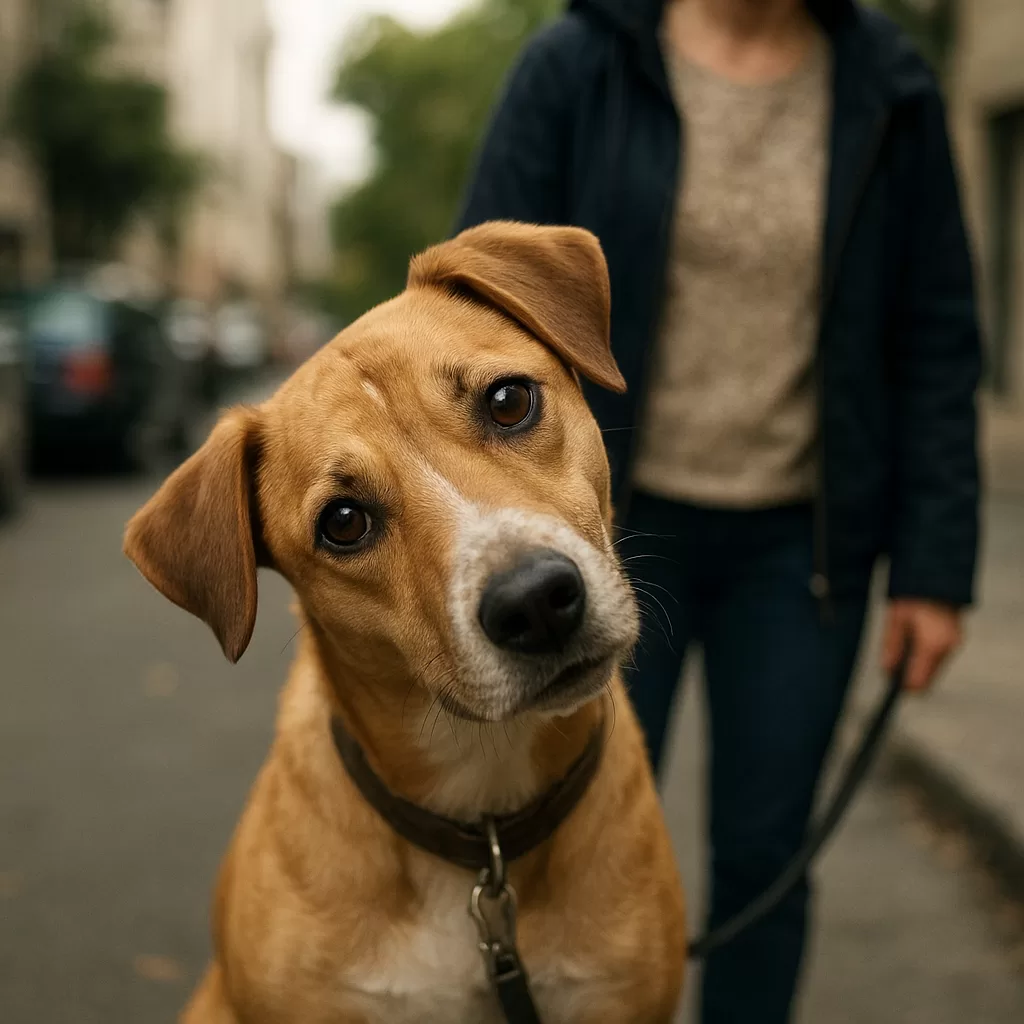
If you’ve ever talked to a dog and noticed it tilting its head, you’re not alone in finding this behavior adorable—and mysteriously fascinating. Dogs tilting their heads when listening to humans is a common sight, but why do they do it? Is this endearing gesture linked to intelligence, empathy, or something else? In this article, we explore fascinating insights from animal behavior experts, recent studies, and examples across various dog breeds to unravel the mystery behind this canine quirk.
What Does Head Tilting Mean in Dogs?
When dogs tilt their heads, it’s often interpreted by humans as a sign of curiosity or attentiveness. But the reasons for this behavior go beyond simply looking cute. Animal behaviorists suggest several explanations, many of which connect to how dogs perceive and process auditory and visual information.
Improved Hearing and Sound Localization
One popular explanation is that head tilting helps dogs better locate and interpret sounds. Because dogs have highly sensitive ears but fixed ear openings, tilting their heads can adjust the angle of sound waves reaching their ears. This helps them pinpoint where a sound is coming from, especially when trying to understand unfamiliar or high-pitched human speech.
Insights from Animal Behavior Experts
Dr. Stanley Coren, a renowned dog psychologist and author, explains that dogs may tilt their heads as an attempt to better understand the words they’re hearing. Dogs are smart enough to pick up on speech cues like tone, pitch, and emotion even if they don’t fully grasp the meaning. Tilting their heads may help them catch subtle acoustic nuances.
According to Coren, dogs tend to do this more often with human voices than other sounds in their environment. It’s a sign they are paying close attention and trying to decode our communication.
The Role of Empathy and Emotional Connection
Beyond auditory reasons, some experts believe head tilting may be linked to dogs’ empathetic abilities. Dogs are highly social animals that have co-evolved with humans, and many display remarkable sensitivity to human emotions and body language.
When a dog tilts its head during interaction, it might be signaling interest, concern, or engagement. Veterinary behaviorist Dr. Sophia Yin suggested that this gesture can soften a dog’s expression, making them appear more receptive and friendly—strengthening the emotional bond between dog and owner.
Does Head Tilting Indicate Intelligence?
The question of whether head tilting correlates with intelligence is more complicated. While this behavior shows attention and curiosity, it does not necessarily mean that a dog is smarter than one that doesn’t tilt its head.
Interestingly, research shows some breeds are more prone to head tilting due to differences in skull shape, ear placement, and vision. For example:
- Cocker Spaniels and Golden Retrievers frequently exhibit head tilts.
- Breeds with shorter snouts, like Pugs or Bulldogs, may tilt less often as their facial anatomy restricts this movement.
So, instead of being a pure indication of smarts, head tilting seems to be a combination of physiological traits and behavioral instinct.
Scientific Studies on Head Tilting
A 2013 study by researchers at the University of Tokyo focused on dogs and their ability to understand human speech. They used MRI scans to observe dogs’ brains when hearing praise words combined with happy and angry human tones. The study suggested dogs process both semantic meaning and emotional tone, and head tilting could be part of their effort to interpret these complex signals.
While direct causal links are still being explored, such studies confirm that head tilting is part of attentive listening and neural engagement.
Practical Tips for Pet Owners
Understanding why dogs tilt their heads can deepen your connection with your furry friend. Here are some tips to better interpret this behavior and communicate effectively:
1. Observe Context
Note when your dog tilts its head—is it when you speak, when there’s a new sound, or when you use specific tones? This can help you understand what catches their attention.
2. Use Consistent Cues
Dogs respond well to consistent vocal commands and tones. If your dog tilts its head when you say a particular word, it may be trying to understand or associate a meaning.
3. Encourage Engagement
Reward your dog’s attentive behavior with praise or treats. This positive reinforcement encourages active listening and strengthens your bond.
4. Be Patient
Not all dogs tilt their heads, and that’s okay. Recognize that different breeds and individual dogs have unique ways of processing information.
Conclusion
Dog head tilting is a captivating behavior that serves multiple purposes—from enhancing hearing and communication to signaling empathy and engagement. While it may not directly indicate intelligence, it reflects a dog’s focus and interaction with its human companions. By paying attention to these subtle cues, pet owners can foster a richer understanding and a closer relationship with their dogs—a true testament to the remarkable bond between humans and their canine friends.


