


Why More People Are Ditching Traditional Toilet Paper for Eco-Friendly Options
For most people, reaching for toilet paper is an automatic habit, rarely questioned and deeply ingrained in daily life. Yet across parts of Europe, including France, and in many other Western countries, that habit is being quietly reconsidered.
As environmental awareness grows and conversations around sustainable living become more mainstream, even the most basic routines are being reexamined. Toilet paper, long treated as a non-negotiable hygiene essential, is increasingly viewed through a different lens. One that considers resource use, environmental strain, and long-term sustainability.
4
A Brief Look at the History of Toilet Paper
Toilet paper as we know it is a relatively modern invention. It was introduced in the mid-1800s by Joseph Gayetty in the United States. Over time, it replaced earlier hygiene practices and became the standard in much of the world due to its convenience and accessibility.
However, that convenience comes with a significant environmental cost. Toilet paper production relies heavily on trees, water, and energy. With billions of rolls manufactured each year, the industry contributes to deforestation, high water consumption, and industrial pollution. When viewed at scale, the environmental footprint is difficult to ignore.
Environmental and Health Concerns
Beyond sustainability, some consumers are also paying closer attention to potential health considerations. Scientific research connected to institutions such as the University of Florida has explored the presence of trace industrial chemicals in certain paper products.
Although safety regulations exist, these findings have encouraged people to think more critically about products used daily and repeatedly over a lifetime. For many, the concern is not about immediate harm but about cumulative exposure and unnecessary environmental waste.
Alternatives Gaining Popularity
As awareness increases, alternative hygiene methods are receiving renewed attention. In many cultures around the world, cleaning with water and mild soap has long been considered more hygienic and environmentally responsible than wiping with paper.
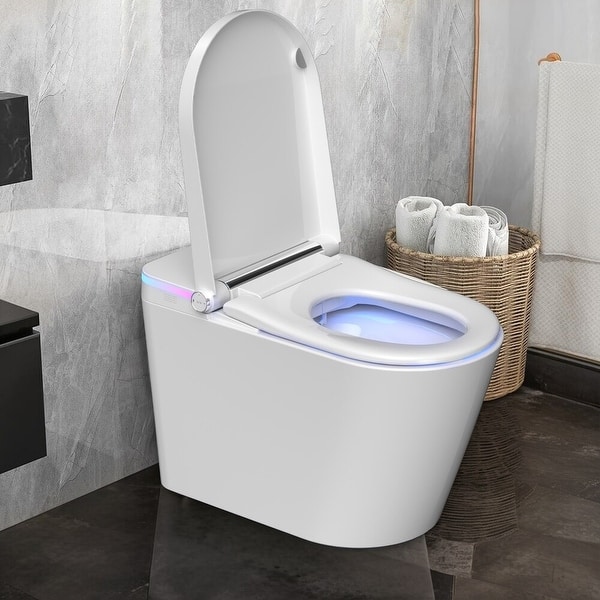
This perspective has fueled growing interest in bidets. Modern bidet attachments and toilet seats are now more affordable, compact, and easy to install than ever before. In countries such as Japan, toilets with integrated washing and drying systems are already widespread, offering comfort while dramatically reducing paper use.
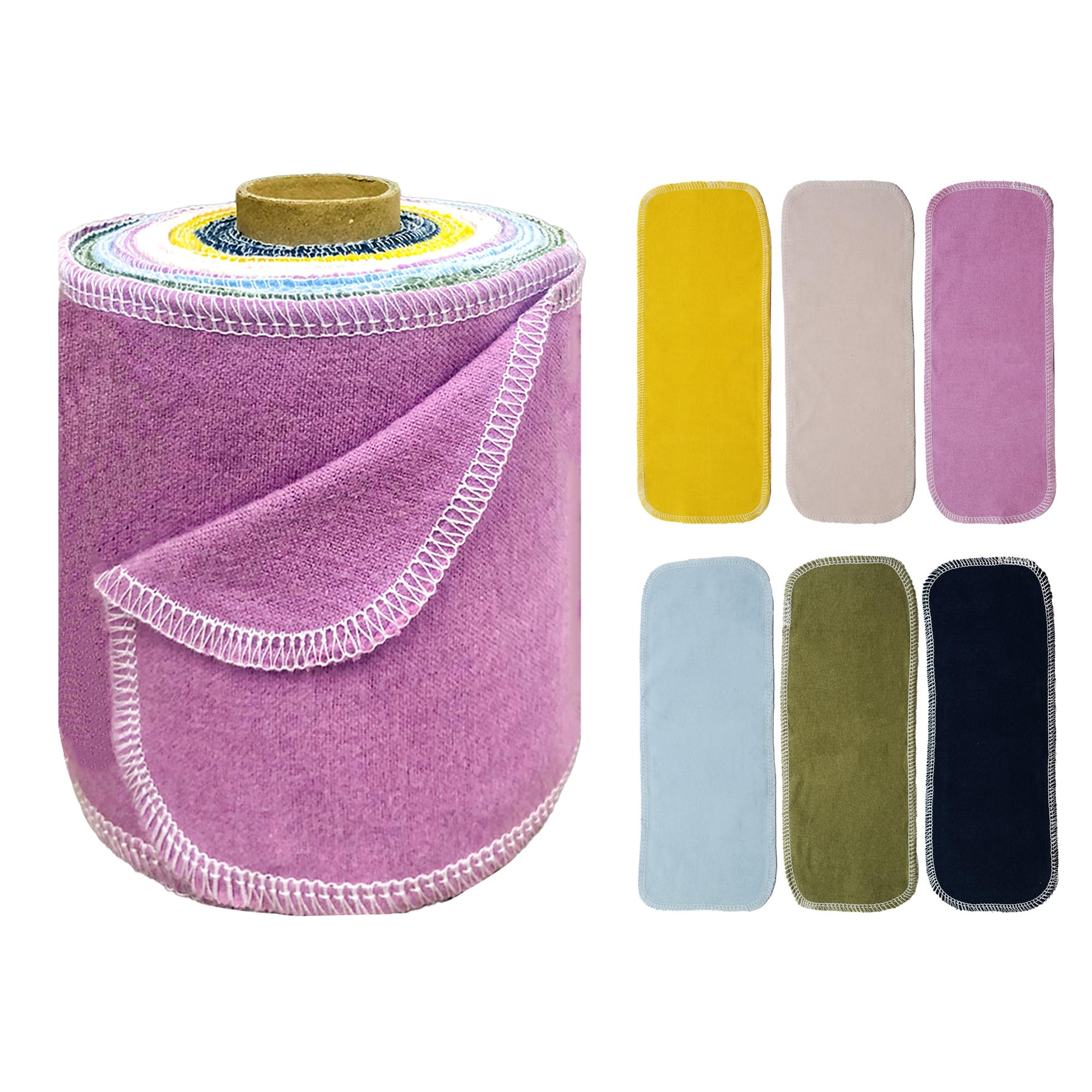
Another option gaining traction is reusable toilet paper made from washable fabric. While unfamiliar to many households, it appeals to those focused on zero-waste living and long-term savings. Once cleaned and reused, these products significantly reduce dependence on disposable paper.
What the Future Might Look Like
Whether traditional toilet paper is phased out on a large scale will depend on cultural acceptance, infrastructure, and supportive policies. While alternatives like bidets or reusable materials may require upfront investment, many users find that the costs balance out over time through reduced spending and environmental benefits.
Governments and municipalities may also influence this shift by encouraging sustainable bathroom solutions through incentives, updated building standards, and public education.
Rethinking Everyday Hygiene
The move away from traditional toilet paper is about more than swapping one product for another. It reflects a broader shift toward conscious consumption, environmental responsibility, and long-term thinking.
By questioning long-standing habits and exploring smarter alternatives, individuals and societies can move toward cleaner and more sustainable hygiene practices without sacrificing comfort or cleanliness.
Sometimes, meaningful change begins with the routines we think about the least.


