


Why Neck Skin Sags as We Age and What You Can Do About It
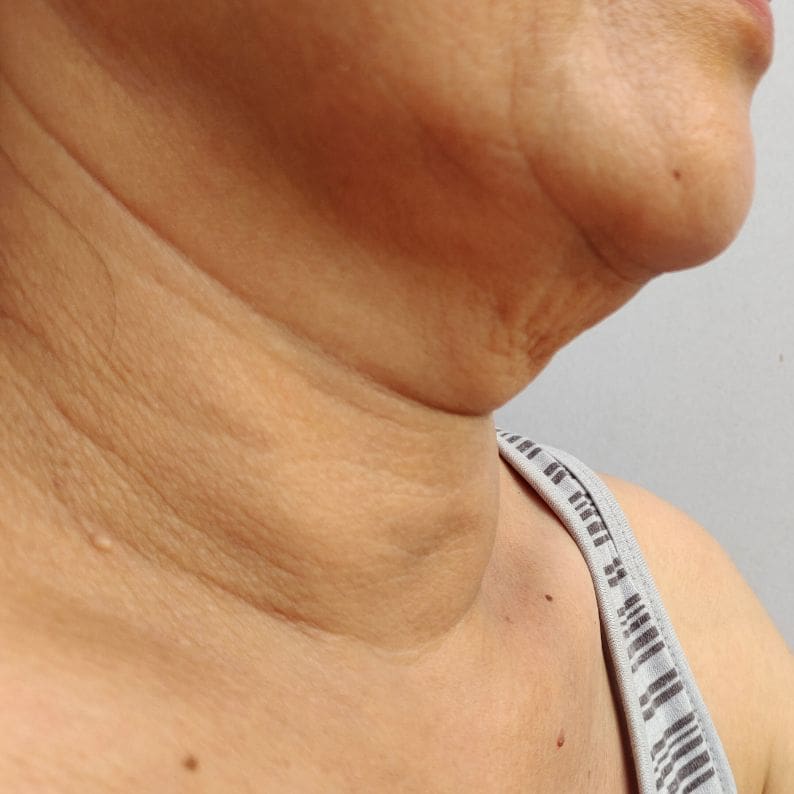
Aging brings natural changes to the body, some subtle and others far more noticeable. For many people, sagging skin around the neck is one of the most frustrating shifts. Often called “turkey neck,” this area is difficult to conceal and is frequently overlooked in daily skincare routines, which can make changes feel even more pronounced.
Understanding why the neck ages differently and what can realistically help allows you to take informed steps toward firmer, healthier-looking skin. Below is a closer look at the key causes of neck sagging and the options available to slow or improve it over time.


4
1. The Neck Has a Delicate Structure
The neck is made up of thin skin, underlying muscles, fat, and connective tissue. One of the most important muscles affecting neck appearance is the platysma, a broad, thin muscle that extends from the chest to the jawline. As it weakens with age, it can pull downward, creating sagging or vertical banding.
Compared to facial skin, the neck contains fewer oil glands and is thinner overall. This makes it more vulnerable to dryness, damage, and early aging. It also depends heavily on collagen and elastin, two proteins that provide firmness and elasticity and naturally decline over time.
2. Natural Aging and Collagen Loss
Aging is the main reason neck skin begins to sag. As the years pass, collagen and elastin production slows, and the skin retains less moisture. From around age 40 onward, collagen levels decrease by roughly one percent each year.
Fat beneath the skin may also shrink or shift downward due to gravity. Combined with muscle relaxation and reduced elasticity, these changes lead to looseness, fine lines, and the crepey texture commonly associated with an aging neck.
3. Sun Exposure Accelerates Sagging
Sun exposure is one of the strongest external contributors to premature skin aging. Ultraviolet rays break down collagen and elastin in a process known as photoaging.
Research suggests that the majority of visible skin aging comes from cumulative sun exposure. Because sunscreen is often applied to the face but forgotten on the neck, this area may suffer more damage over time. Daily use of broad-spectrum sunscreen on the neck can significantly slow loss of elasticity.
4. Genetics Play a Major Role
Genetics influence how early and how noticeably neck skin begins to sag. Some people inherit thinner skin, lower collagen reserves, or earlier muscle laxity, making changes more visible at a younger age.
While genetics cannot be altered, consistent care can still make a meaningful difference. Sun protection, targeted skincare, and healthy habits can delay visible aging even for those who are genetically predisposed.
5. Weight Changes Affect Skin Firmness
Rapid or repeated weight fluctuations can place extra stress on neck skin. Sudden weight loss may leave skin without enough underlying support, while frequent weight gain and loss can stretch it beyond its ability to rebound.
Maintaining a stable weight helps preserve skin elasticity. When weight loss is desired, gradual changes allow the skin more time to adapt and reduce the risk of sagging.
6. Hydration Supports Skin Elasticity
Hydration is essential for skin firmness. Dehydrated skin appears thinner and more wrinkled, making sagging more noticeable.
Adequate water intake supports skin from within, while topical hydration is equally important. Ingredients such as hyaluronic acid, glycerin, and ceramides help maintain moisture and strengthen the skin barrier on the neck.
7. Social Media Neck-Firming Hacks
Quick fixes for neck sagging are common online, including facial yoga, ice rolling, massage tools, and DIY masks. These methods may temporarily improve circulation or reduce puffiness, but their long-term tightening effects are limited.
They can be useful additions to a routine, but they should not replace evidence-based skincare or professional guidance if meaningful results are the goal.
8. Do Neck Exercises Make a Difference?
Targeted neck exercises may help strengthen underlying muscles and improve posture, which can subtly enhance appearance. Chin lifts, gentle stretches, and resistance-based movements engage the platysma over time.
Results depend on consistency and proper technique. While changes are gradual, some people notice improved tone with regular practice.
9. Skincare Ingredients That Help the Neck
Products formulated for the neck and décolletage often include ingredients that support firmness and texture. Retinoids, peptides, antioxidants, and collagen-supporting compounds can help improve skin quality when used consistently.
Extending facial skincare products down to the neck and using dedicated neck creams can promote more even aging and better long-term results.
10. Professional Treatments for Sagging Neck Skin
For more visible or faster improvements, professional treatments may be considered. Non-invasive options such as radiofrequency, ultrasound therapy, and laser treatments stimulate collagen production and tighten skin with minimal downtime.
Surgical options, including neck lifts, provide the most dramatic results but involve higher cost and longer recovery. A qualified professional can help determine the safest and most appropriate approach based on individual needs.
11. Lifestyle Habits That Protect Neck Skin
Daily habits strongly influence how the neck ages. A balanced diet rich in antioxidants, vitamins, and healthy fats supports collagen production and skin repair. Nutrients such as vitamin C, vitamin E, zinc, and omega-3 fatty acids are particularly beneficial.
Adequate sleep, regular physical activity, stress management, and avoiding smoking or excessive alcohol all contribute to healthier, more resilient skin.
Final Thoughts
Sagging neck skin is a natural part of aging, but it does not have to progress without care. With consistent sun protection, thoughtful skincare, supportive lifestyle habits, and professional treatments when desired, it is possible to maintain a firmer and more youthful-looking neck over time.
Understanding why these changes occur allows you to approach neck care with intention, confidence, and realistic expectations.


