

The Circle of Life (With a Side of Controversy): Danish Zoos Invite Pet Donations for Predators
In a move that sits somewhere between peak ecological pragmatism and a childhood nightmare, several Danish zoos—including Copenhagen Zoo and Givskud Zoo—have made headlines by asking the public to donate their unwanted small pets. The destination? The dinner plates of the park’s resident carnivores.
While the idea of Fluffy the Rabbit becoming a lion’s lunch might sound macabre to some, the zoos argue that this practice is rooted in transparency, education, and animal welfare.
Why “Home-Grown” Meals?
Zoos generally feed their predators a diet of processed meat or livestock carcasses. However, offering a whole rabbit or guinea pig provides environmental enrichment that a slab of beef simply cannot match.
Biological Realism: Predators benefit from the “full package”—fur, skin, and bones—which helps maintain dental health and digestive regularity.
Varied Behavior: Dealing with a whole carcass encourages natural tearing and chewing behaviors, keeping the animals mentally and physically stimulated.
Educational Transparency: Danish zoo officials often emphasize that they want to be honest about the reality of the food chain. They believe it’s better to show children where meat comes from rather than sanitizing nature.
How It Works
Before you imagine a chaotic scene of a hamster being dropped into a tiger enclosure, the process is strictly regulated. The zoos don’t just take any animal off the street:
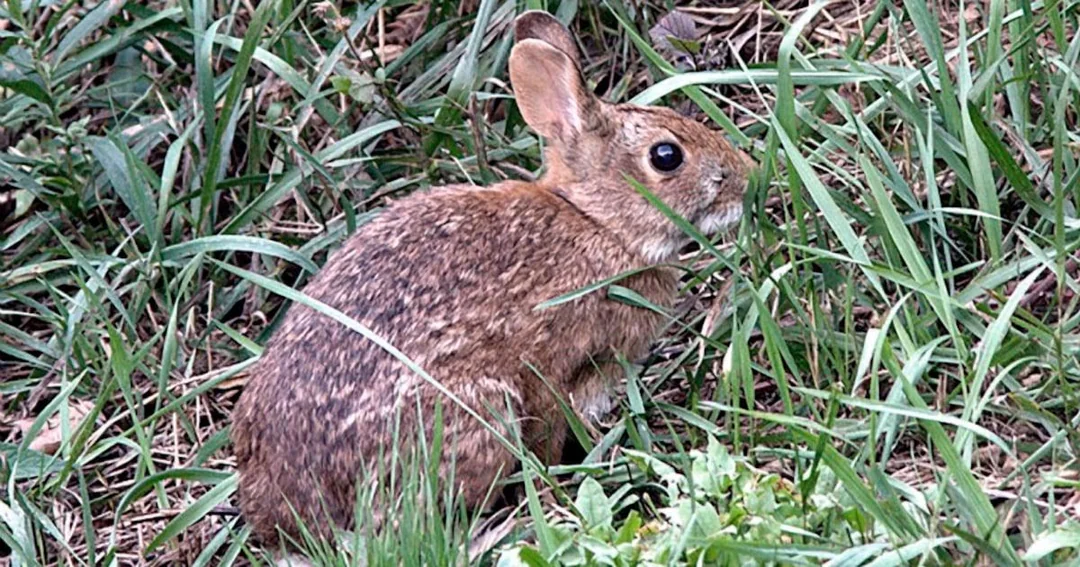
Selection: Zoos typically look for rabbits and guinea pigs.
Health Checks: The animals must be healthy and not on medication to ensure the predators aren’t inadvertently poisoned.
Humane Euthanasia: The pets are not “fed alive.” They are humanely euthanized by staff before being offered to the lions, wolves, or tigers.
“It’s good for the animals to have a varied diet, so it’s not just a piece of cow or horse. The fur is also fun to chew on, and their intestines are healthy for them,” — Ann-Sofie Eller, Copenhagen Zoo Zookeeper.
The “Bambi Effect” vs. Primal Reality
The policy has, predictably, sparked a cultural divide. In many parts of the world, the “Bambi Effect”—an emotional attachment to “cute” animals—makes the idea of feeding a pet-type animal to a predator feel like a betrayal. Critics argue it is insensitive to those who view these animals as companions.
On the other hand, many Danish citizens have embraced the practice as a sensible solution for “surplus” animals. Instead of a rabbit being abandoned in a forest or euthanized at a vet and incinerated, it serves a biological purpose within the ecosystem of the zoo.
A Different Kind of Donation
While it certainly isn’t the “farm upstate” most parents tell their kids about, these Danish zoos are sticking to their guns. They view the program as a way to bridge the gap between our cozy domestic lives and the raw, unsentimental reality of the animal kingdom.
It might be a tough pill to swallow, but for a hungry lion, it’s just natural selection with a little help from the neighbors.


