


The Surprising Reason You Never Use Your Phone in Dreams


4
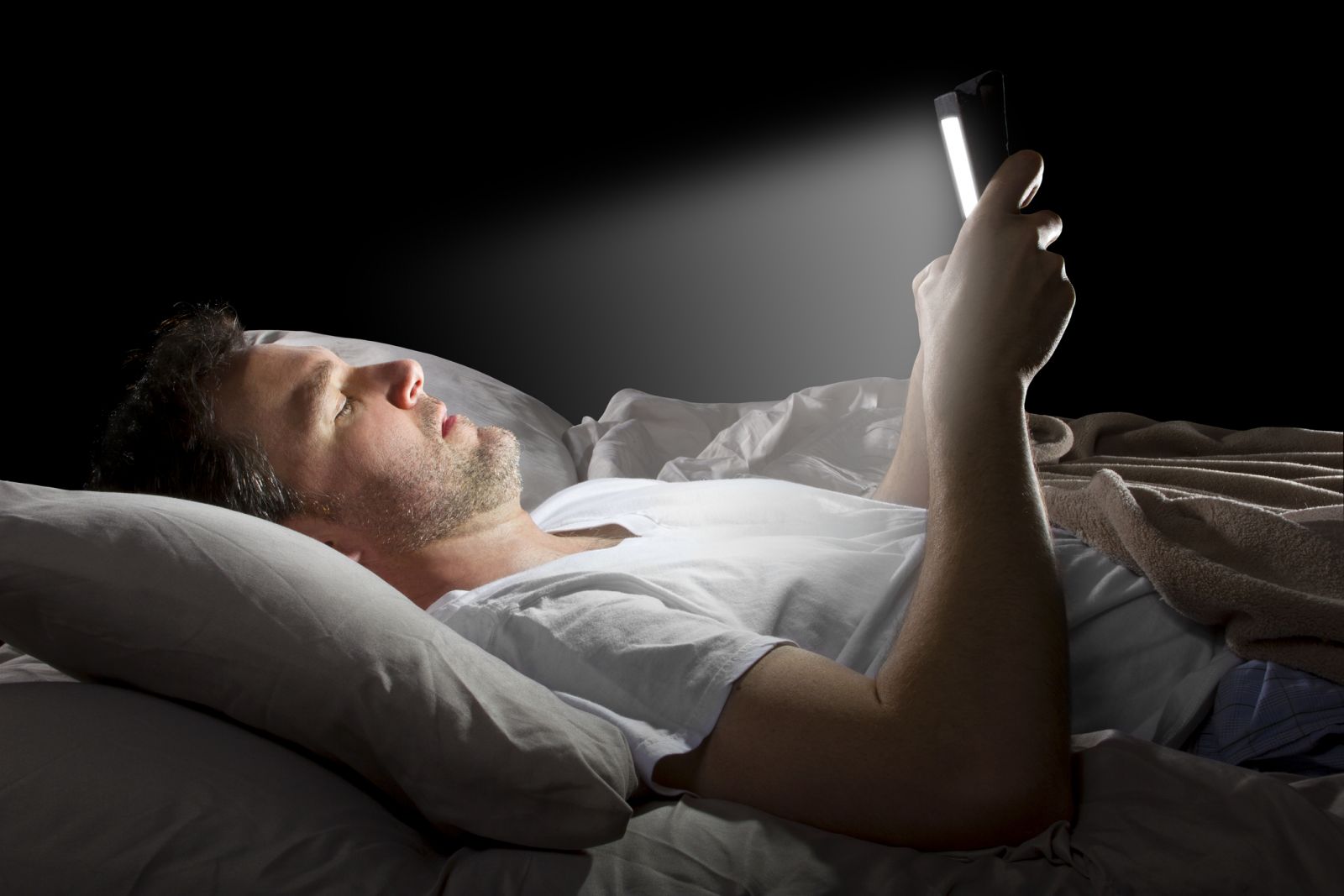
Most of us use our phones constantly. We scroll, text, watch videos, and check notifications right up until we fall asleep. Yet when we dream, phones are almost always missing. No texting. No scrolling. No screens lighting up in our hands.
This strange gap between waking life and dream life has a clear explanation rooted in how the brain processes habits, emotion, and sleep.
Why Phones Disrupt Sleep in the First Place
Using a phone before bed interferes with sleep in two major ways.
First, phone screens emit blue light. This type of light suppresses melatonin, the hormone that tells your brain it is time to sleep. When melatonin is delayed, falling asleep takes longer and sleep becomes lighter.
Second, phone content keeps the brain mentally active. Messages, social media, videos, and news all trigger attention, emotion, and decision-making. Instead of winding down, the brain stays in alert mode. Over time, this leads to poorer sleep quality, more nighttime awakenings, and increased fatigue during the day.
Why Phones Rarely Appear in Dreams
Dreams are not a replay of daily habits. They are shaped by emotion, meaning, and unresolved mental themes.
Scrolling through a phone is repetitive and emotionally neutral most of the time. It lacks strong sensory input, novelty, or emotional intensity. The dreaming brain tends to ignore routine behaviors and focus instead on situations tied to fear, desire, conflict, relationships, or identity.
In simple terms, your brain does not find phone use important enough to turn into dream material.
Dreams often compress experiences into symbols rather than literal actions. Instead of dreaming about texting, you might dream about being unable to reach someone, being lost, or trying to communicate and failing. The phone disappears, but the emotional theme remains.
Habit Memory vs Emotional Memory
Another reason phones do not appear in dreams is how memory works during sleep.
Habits are stored in procedural memory, which runs automatically and quietly. Emotional experiences are stored differently and are far more likely to surface in dreams.
Because phone use is habitual and low-effort, it stays in the background of consciousness. Dreams pull from emotionally charged memory, not automatic routines.
How Nighttime Phone Use Affects Your Daily Life
Even if phones do not show up in dreams, their impact on sleep is real and cumulative.
Poor sleep linked to nighttime screen use can lead to:
- Slower thinking and reduced focus
- Memory and concentration problems
- Mood swings and irritability
- Increased stress sensitivity
- Lower emotional regulation
Losing even 20 to 30 minutes of quality sleep per night adds up quickly over a week.
Simple Changes That Support Better Sleep
Improving sleep does not require drastic changes. Small shifts make a measurable difference.
- Put your phone away 30 to 60 minutes before bed
- Replace screen time with calming activities like reading or stretching
- Keep your phone out of reach while sleeping
- Maintain a consistent sleep and wake schedule
These steps reduce stimulation and help the brain transition naturally into rest.
The Bigger Picture
Phones rarely appear in dreams because they are not emotionally meaningful to the dreaming brain, even though they dominate waking life. Ironically, the more routine something becomes, the less likely it is to show up in dreams.
Reducing phone use before bed helps restore a healthier boundary between stimulation and rest. When the brain is allowed to fully disengage, sleep becomes deeper, more restorative, and better aligned with natural dreaming processes.
Sometimes, what is missing from our dreams says more about our minds than what appears.


